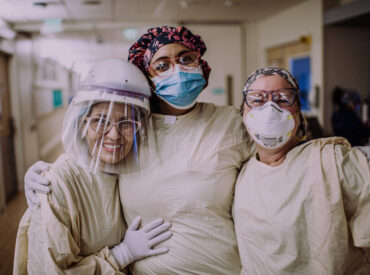
MultiCare’s Center for Health Equity and Wellness’ (CHEW) purpose — to restore and ensure the health of our communities — takes a group of dedicated individuals, donor support and many community initiatives and programs to accomplish.
“It’s important for MultiCare to be doing this work because at the end of the day, our goal is to partner for healing and a healthy future,” CHEW’s Director of Health Equity Jamilia Sherls-Jones, DNP, MPH, RN says. “This means making sure that everyone in our communities is achieving their highest level of health. And to do that, we really have to pay attention to factors that lead to health disparities, such as lack of access to health care, discrimination, unhealthy living environments and food insecurity.”
Social determinants of health (environmental conditions in which people live that can affect their health and quality of life; this can include income, housing, access to health care, education, gender, culture, childhood experiences and more) are a major indicator of an individual’s and even a community’s health. CHEW addresses community needs in a variety of ways by creating new programs or connecting people with existing programs that can improve their health outcomes.
These efforts include community health education; free health assessments at community events; equity, diversity and inclusion assessments of MultiCare leaders, systems and providers; community needs assessments; a health equity community advisory board; language access services; vaccine pop-up clinics; and more.
Delivering the COVID-19 vaccine in creative ways
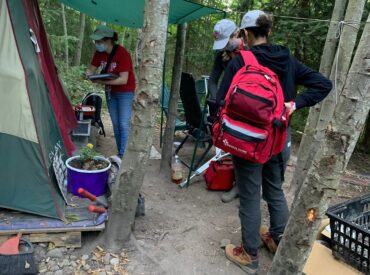
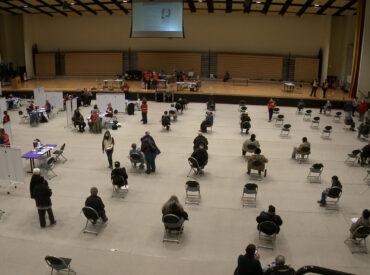
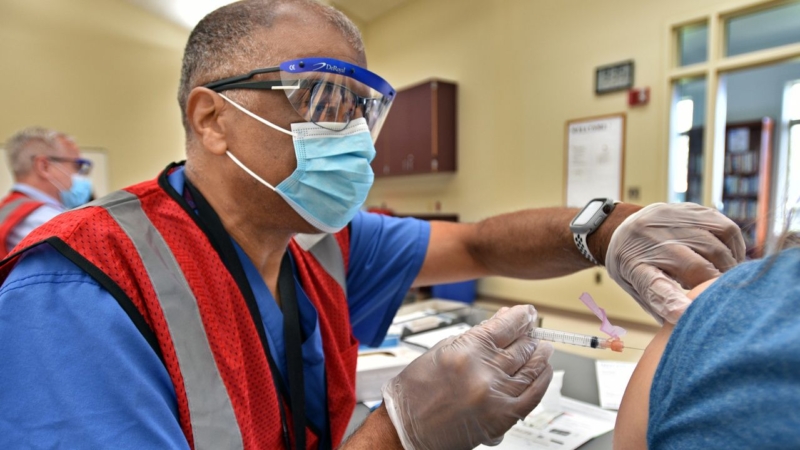
Thanks to donations to the COVID-19 Response fund, more than 1,000 community members have been vaccinated at pop-up clinics throughout Pierce County. CHEW and MultiCare’s Vaccine Equity Task Force worked with community organizations like the Asia Pacific Cultural Center and Oasis Youth Center to host more than 60 vaccine clinics that address vaccination barriers, such as technology, language and transportation.
“I am most proud of our team’s willingness to be available, accessible and flexible with the times, days of the week and locations we choose to have the pop-up clinics, which means we are meeting the community where they live,” Community Outreach Program Manager and COVID-19 Clinical Lead Sheri Mitchell, BSN, RN says. “Those who attended our clinics have expressed many thanks and appreciation for providing alternative locations to receive the vaccine. We pride ourselves on reducing all obstacles for anyone visiting our clinics. We welcome walk-ins and do not require formal identification to be presented.”
One of the emerging challenges to mass vaccination is vaccine hesitancy (the reluctance or refusal to have oneself or one’s children vaccinated). Reasons for vaccine hesitancy vary, but can include lack of trust in vaccines and health care systems, perceptions that the disease (in this case, COVID-19) is low risk or there are barriers to accessing the vaccine i.e., transportation, language, technology. In response, CHEW created a vaccine ambassador program with the hopes of educating 2,000 community members on how to talk to their friends and families and address any questions or fears regarding the COVID-19 vaccine.
“We’ve learned in our conversations with individuals that come to our pop-up clinics that one of the greatest influencers for them has been a family member or friend that had received a vaccine,” CHEW Executive Director Mary Quinlan says. “That was part of the inspiration for us contracting with a motivational interviewing specialist to help us develop a training program to arm regular citizens (vaccine ambassadors) with the tools to have conversations with friends and family about the COVID vaccine.”
Between now and the end of the year, CHEW will host 20 training sessions, and two will be held in Spanish. The first group to be trained consisted of local college students, as it’s been reported that they have lower percentages of vaccinations.
Partnering on vaccine pop-up clinics and ambassador programs wouldn’t be possible without people coming together and giving big.
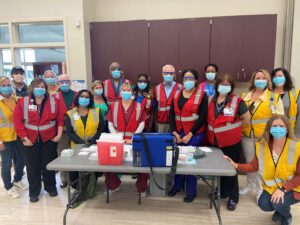
Special thanks to the Ben B. Cheney Foundation, Gary E. Milgard Family Foundations, Greater Tacoma Community Foundation and the L.T. Murray Family Foundation for providing the initial funding to launch these pop-up clinics.
“Thanks to community gifts, we’ve vaccinated hundreds of people who would otherwise not have received a vaccine,” Jamilia says. “Your donation has definitely made a difference and will continue to make a difference in the coming months, as we continue to fight the pandemic. Thanks to you, we will still be out there providing vaccines to the public in efforts to achieve community immunity.”